Smart Systems for Seasonal Homes: Simplifying Remote Home Management
Seasonal homes offer a special kind of freedom. Whether it’s a summer retreat on Martha’s Vineyard or a vacation property used only part of the year, these homes are meant to be relaxing escapes. However, managing a house that sits empty for weeks or months can quickly become stressful. Homeowners often worry about security, temperature control, lighting, and whether everything is functioning properly while they are away.
Smart home systems are changing how seasonal properties are managed. With modern automation platforms, homeowners can monitor and control key systems remotely. Lighting can be scheduled to create the appearance of occupancy, climate systems can protect the home from humidity or freezing conditions, and security cameras can provide real-time updates from anywhere in the world.
Instead of worrying about the property when you are away, smart technology allows your home to take care of itself. A well-designed system works quietly in the background, adjusting settings, sending alerts, and maintaining the environment until you return.
For many homeowners, solutions like those described in the MVIS smart home integration services help transform seasonal home ownership into a far simpler and more enjoyable experience.
Key takeaway: Smart home systems allow seasonal homeowners to monitor, protect, and manage their property remotely with ease.
Quick to Know
Managing a seasonal home becomes significantly easier with integrated smart technology. Instead of relying on manual checks or neighbors to monitor the property, automation systems allow homeowners to control essential functions remotely and keep their home protected year-round.
Modern smart home platforms combine lighting, climate, security, and remote monitoring into one simple interface. This makes it possible to manage a property from anywhere while ensuring the home remains safe, efficient, and ready for your next visit.
Quick facts to know:
Smart systems allow remote monitoring and control from anywhere using a phone or tablet.
Automated lighting and shades can simulate occupancy when the home is empty.
Climate automation helps prevent humidity, mold, or freezing issues.
Security systems send real-time alerts and camera updates if something changes.
Integrated systems simplify management through one central control platform.
Key takeaway: Smart home automation allows seasonal properties to stay secure, efficient, and ready without constant physical supervision.
Key Benefits
Smart systems provide several advantages for seasonal homeowners:
Remote control: Manage lighting, climate, and security from anywhere.
Property protection: Sensors and alerts help detect leaks, temperature drops, or unexpected activity.
Energy efficiency: Systems automatically adjust when the home is unoccupied
Peace of mind: Real-time monitoring reduces stress while you are away.
Key takeaway: Smart systems help seasonal homeowners protect, monitor, and manage their property effortlessly.
Q/A
Q: Why are smart systems especially useful for seasonal homes?
Seasonal homes often remain empty for long periods. Smart systems allow homeowners to monitor and control the property remotely, helping prevent problems before they become serious.
Q: Can I manage my home from another state or country?
Yes. Modern smart home platforms allow you to access lighting, climate, and security systems through a secure mobile app from anywhere with an internet connection.
Q: Do these systems require constant supervision?
No. Most systems are automated and send alerts only when something needs attention.
Key takeaway: Smart automation keeps seasonal homes monitored and protected even when owners are far away.
Understanding Smart Seasonal Home Management
Seasonal homes require a different approach to home management. Unlike primary residences, these properties may remain unoccupied for extended periods, sometimes weeks or even months. During this time, small issues like temperature changes, humidity, power outages, or water leaks can develop into larger problems if they go unnoticed. This is where smart home systems play a crucial role.
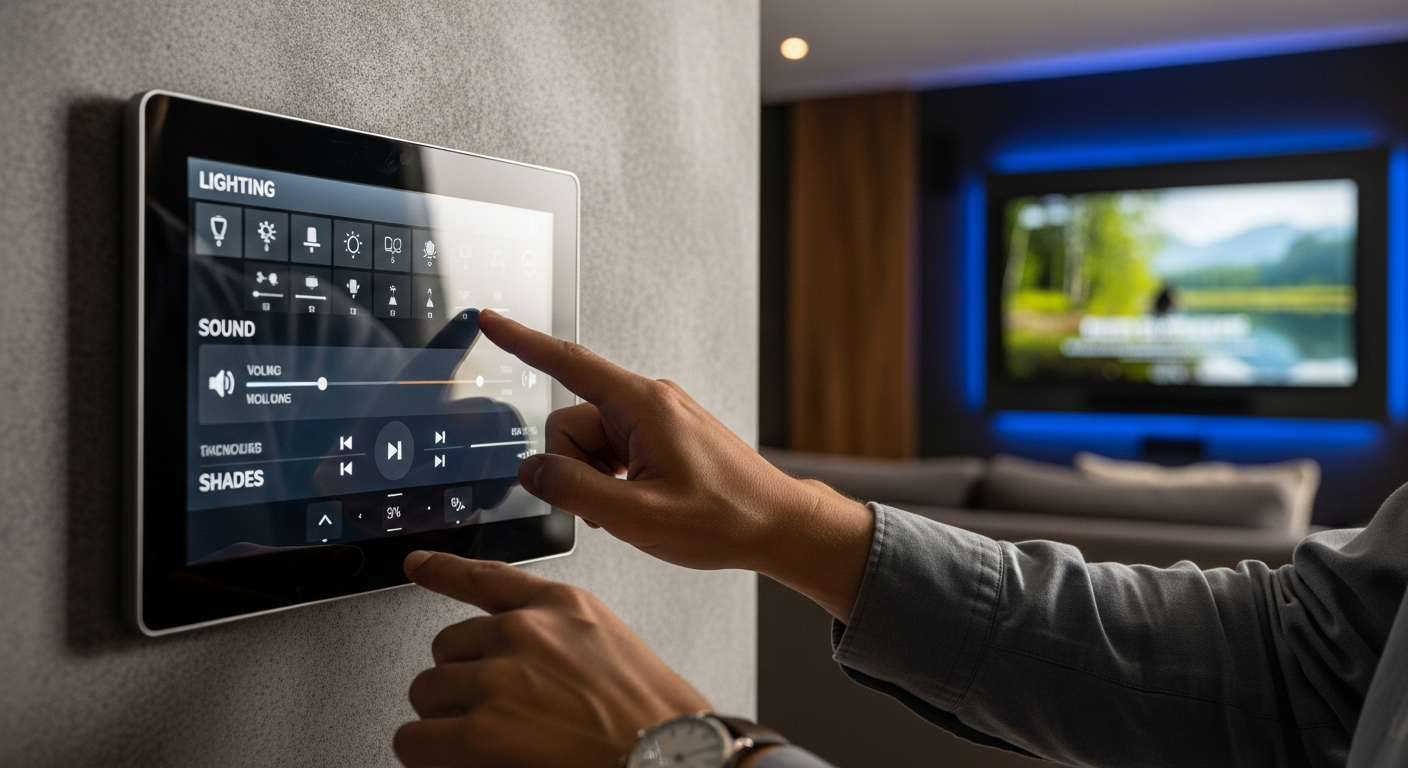
A modern smart home system connects essential home functions into one centralized platform. Lighting, climate control, security cameras, door locks, and sensors can all work together through a single interface. Instead of checking multiple systems separately, homeowners can monitor everything from one dashboard on a smartphone or tablet.
For example, smart lighting schedules can turn lights on and off automatically to simulate occupancy. Climate systems can maintain safe temperature and humidity levels to protect the home and its contents. Security systems can notify homeowners immediately if motion is detected or if a door or window is opened.
When these technologies are professionally integrated, the home becomes proactive rather than reactive. The system constantly monitors conditions and can send alerts when something unusual happens.
Professional integrators such as MVIS smart home solutions help design systems specifically for seasonal properties, ensuring technology supports the way homeowners actually use their homes.
Key takeaway: Smart home integration creates a centralized system that keeps seasonal homes monitored, protected, and ready year-round.
Centralized control: Manage lighting, security, and climate from one system.
Automated protection: Sensors monitor conditions like leaks, motion, or temperature.
Remote access: Check and adjust settings anytime through a mobile app.
Proactive monitoring: Systems detect issues before they become serious problems.
Key takeaway: Smart systems turn seasonal homes into self-monitoring properties that stay protected year-round.
How Smart Systems Simplify Managing a Vacation Home
Smart systems make seasonal home ownership much easier in everyday situations. Many homeowners only visit their property during certain months of the year, which means the house must operate safely and efficiently even when nobody is there. Automation helps handle this responsibility automatically.
For example, climate control is one of the most important features in a seasonal property. During humid summer months, smart thermostats and sensors can maintain balanced humidity levels to protect furniture, wood flooring, and electronics. In colder seasons, the system can prevent pipes from freezing by maintaining safe indoor temperatures.
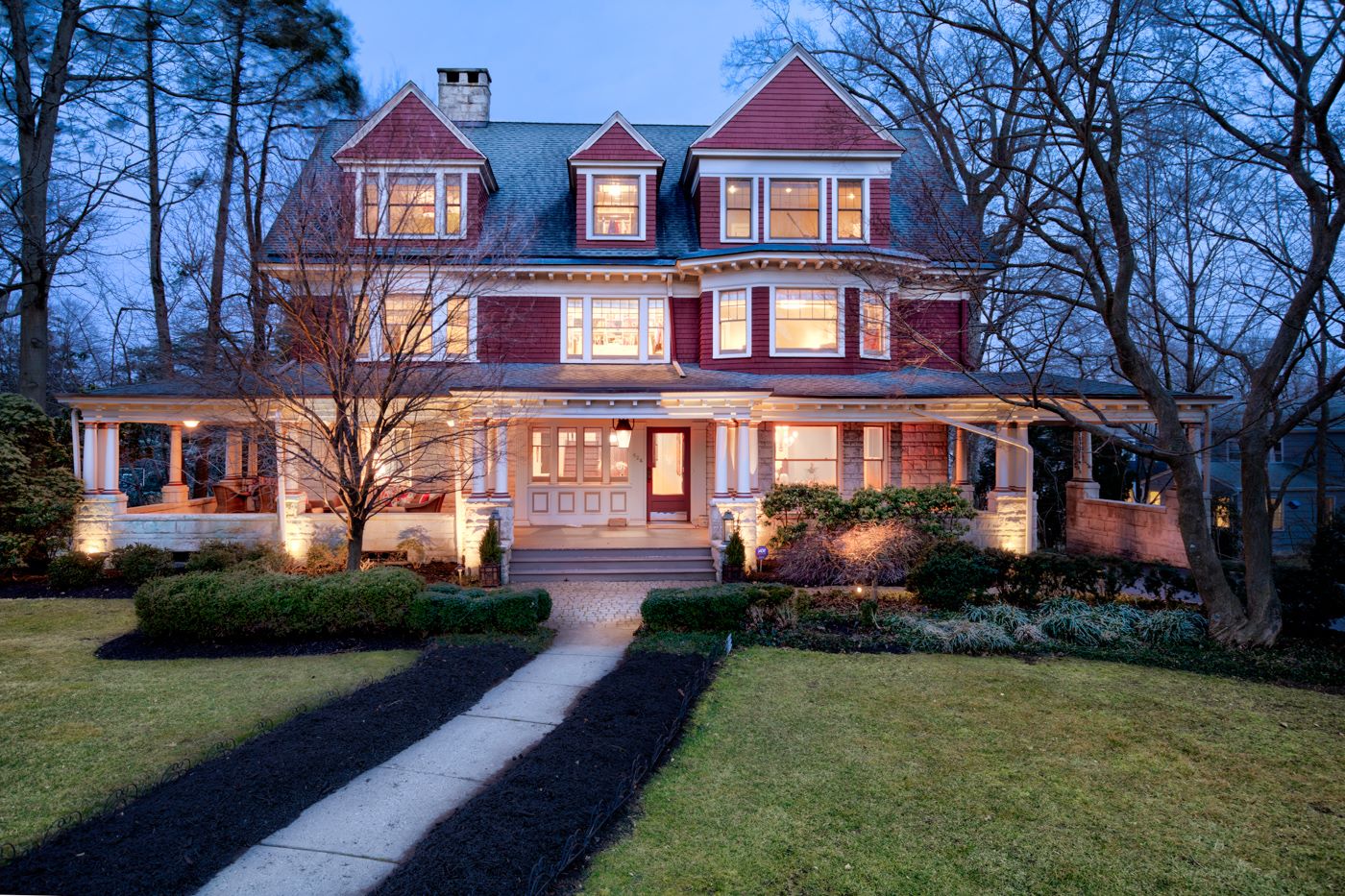
Lighting automation also plays a practical role. When lights turn on and off at scheduled times, the home appears occupied even when it is empty. This can help discourage unwanted visitors and add an extra layer of security.
Security monitoring is another major advantage. Cameras, door sensors, and motion detectors can send instant alerts to a homeowner’s phone. Instead of discovering an issue weeks later, owners can immediately check live camera feeds or contact a local service if needed.
Smart systems can also prepare the home before arrival. With one tap in a mobile app, homeowners can adjust the temperature, turn on pathway lighting, and activate entertainment systems before they even arrive.
Professionally integrated systems like those offered through MVIS smart home integration services help seasonal homeowners maintain comfort, safety, and convenience without constant manual checks.
Key takeaway: Smart automation helps seasonal homes remain secure, comfortable, and ready whenever homeowners return.
Q/A
Q: Are smart systems reliable for homes that are empty for long periods?
Yes. Professional smart home systems are designed for continuous monitoring and can automatically maintain safe conditions even when no one is present.
Q: What happens if something goes wrong?
Sensors can detect unusual changes such as water leaks, motion, or temperature drops and send instant alerts to your phone so you can respond quickly.
Q: Do I need technical knowledge to use the system?
No. Most systems use simple mobile apps designed for everyday users.
Key takeaway: Smart systems provide reliable monitoring and instant alerts, helping homeowners stay informed wherever they are.
The Technology Behind Seasonal Smart Home Systems
Behind the simplicity of smart home control is a carefully designed technology ecosystem. A seasonal home automation system typically connects several key components that work together to maintain the property while homeowners are away.
At the center of the system is a smart home control platform, which acts as the brain of the house. Platforms such as Savant allow homeowners to control lighting, climate, security, and entertainment systems through one unified interface. Instead of separate apps for each device, everything works together through a single control environment.
Lighting automation is another important part of seasonal home management. Systems like Lutron smart lighting can automatically adjust brightness levels, create occupancy simulations, and reduce energy use when the home is empty.
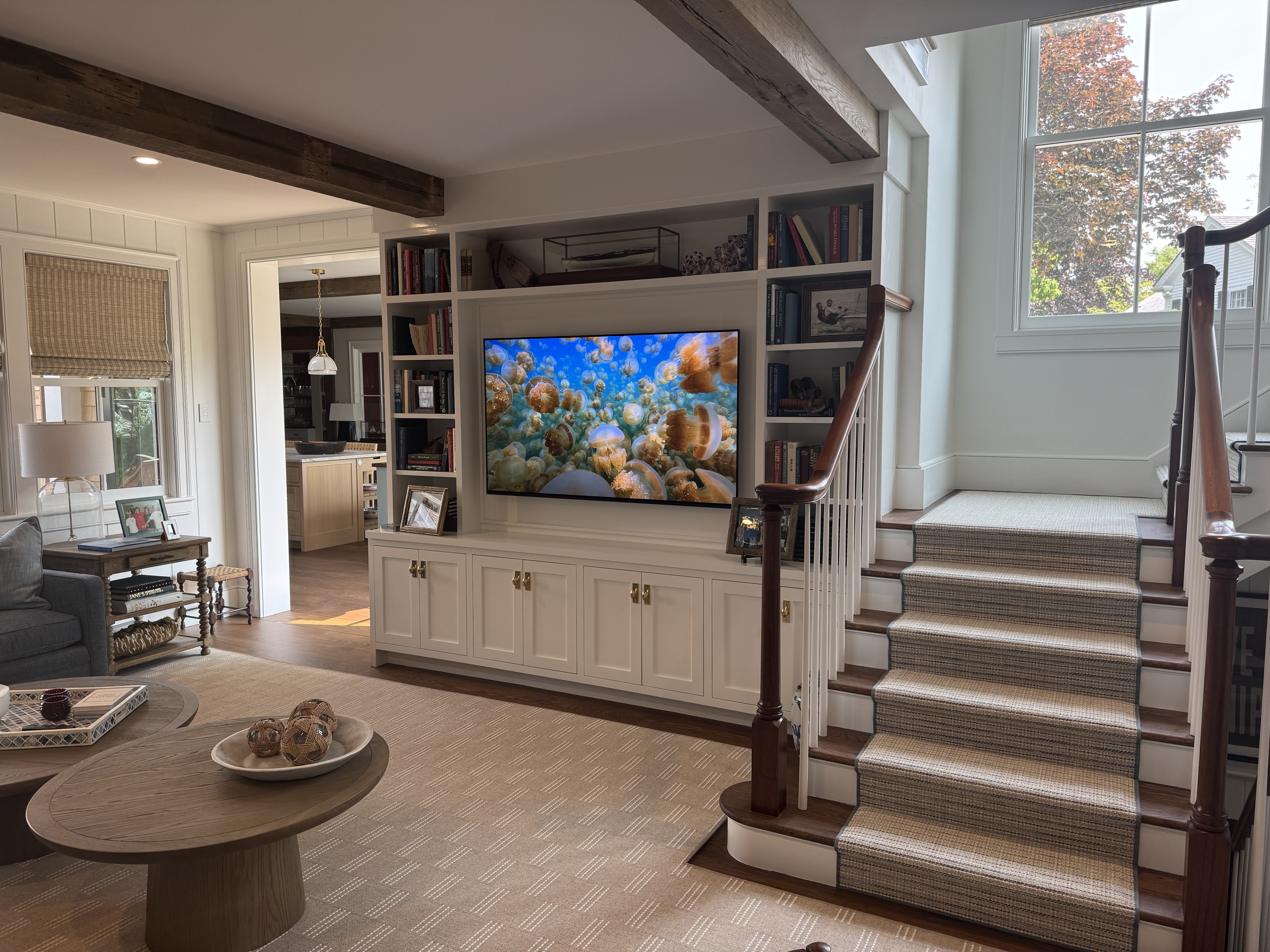
For audio and lifestyle control, integrated systems such as Sonos allow homeowners to activate music or entertainment zones remotely, helping create a welcoming environment when arriving at the property.
Sensors also play a major role. Temperature sensors, humidity monitors, leak detectors, and motion sensors constantly watch for unusual conditions. When something changes, the system immediately sends a notification to the homeowner.
All these components are connected through a secure home network, allowing them to communicate and respond automatically.
Professional integration ensures these technologies operate smoothly together, creating a smart system that quietly manages the home even when the owner is miles away.
Key takeaway: A well-designed seasonal smart home system combines control platforms, lighting automation, sensors, and secure networking into one unified ecosystem.
Central control platform connects all systems in one interface.
Smart lighting automation adjusts schedules and improves security.
Sensors and detectors monitor temperature, humidity, motion, and leaks.
Secure home network allows systems to communicate and send alerts.
Key takeaway: The technology behind smart homes works together to create a reliable, automated property management system.
Expert Strategies for Future-Ready Seasonal Homes
When designing a smart system for a seasonal home, planning is just as important as the technology itself. Experts recommend focusing on reliability, simplicity, and long-term monitoring so the system continues to perform even when the home is empty for extended periods
One important tip is to prioritize environment monitoring. Temperature, humidity, and water leak sensors can help prevent expensive damage. Even a small plumbing issue can become serious if it goes unnoticed for weeks, so automated alerts are essential.
Another recommendation is to design a system that supports remote access and automation routines. For example, a “leaving the house” mode can automatically adjust lighting, reduce energy usage, activate security monitoring, and lock doors with one command. A “return home” mode can restore comfortable temperatures and lighting before arrival.
Reliable networking is also critical. Smart homes depend on stable internet connections and well-configured networks to maintain communication between devices. Professional system design helps ensure everything works consistently.
Looking ahead, seasonal home technology will continue to evolve. Artificial intelligence and predictive automation are already beginning to appear in modern systems. In the future, smart homes may automatically learn homeowner patterns and adjust environmental settings without manual input.
For homeowners considering a new system, working with experienced integrators such as MVIS smart home integration experts ensures the technology is designed to support both comfort and long-term property protection.
Key takeaway: Proper planning and professional integration help seasonal smart homes remain reliable, efficient, and ready for the future.
Q/A
Q: Is it difficult to install smart systems in an existing seasonal home?
No. Many smart technologies can be added to existing homes without major renovation. Professional integrators design systems that fit the current structure.
Q: Can smart systems expand over time?
Yes. Most platforms are scalable, meaning new devices and features can be added as needs grow.
Q: Is professional installation necessary?
For seasonal homes, professional integration ensures reliability, security, and proper automation.
Key takeaway: Smart home systems can be installed in both new and existing seasonal properties and expanded over time.
Smart technology is transforming how seasonal homes are managed. Instead of worrying about an empty property, homeowners can rely on automation to maintain safety, efficiency, and comfort throughout the year.
Key points to remember:
Smart home systems allow remote monitoring and control from anywhere using a phone or tablet.
Lighting automation can simulate occupancy, improving security when the home is unoccupied.
Climate control systems help maintain safe temperature and humidity levels, protecting furniture and building materials.
Sensors can detect water leaks, motion, or unusual environmental changes and send immediate alerts.
Integrated platforms connect lighting, security, climate, and entertainment systems into one easy-to-use interface.
Automation routines can prepare the home before arrival, creating a comfortable environment instantly.
Professionally designed systems ensure reliability, scalability, and long-term performance.
With the right technology in place, seasonal homeowners can enjoy their property without constant concern about what might happen while they are away.
Key takeaway: Smart automation simplifies seasonal home ownership by protecting the property and maintaining comfort year-round.
Managing a seasonal home should feel simple, not stressful. With the right smart home system, your property can stay secure, efficient, and ready for your arrival at any time. Automated lighting, climate monitoring, and remote access allow you to check on your home and control important systems from anywhere in the world.
At MVIS (Martha’s Vineyard Integrated Systems), we design and install smart home solutions tailored specifically for seasonal and coastal properties. Our team helps homeowners create reliable systems that protect the home while simplifying everyday management.
If you’re planning a new smart home system or upgrading an existing one, contact MVIS today to start the conversation.