Scene Lighting for Dining Rooms: Create Ambience, Comfort & Style
The dining room is more than just a place to eat, it is where conversations unfold, celebrations happen, and everyday moments turn into lasting memories. Yet, one element often decides whether this space feels warm and inviting or flat and uncomfortable: lighting. Scene lighting has the power to completely transform how a dining room looks and feels, shaping both ambience and style with subtle control.
Instead of relying on a single overhead light, scene lighting uses multiple light sources and preset moods to match different moments. A bright, clear setting works for family breakfasts or homework at the table, while a softer, dimmed scene creates a relaxed atmosphere for evening dinners or entertaining guests. With one touch, the dining room adapts to the occasion rather than forcing the room to serve only one purpose.
In well-designed homes, lighting is no longer just functional, it becomes part of the interior design language. Thoughtful scene lighting highlights textures, finishes, and furniture, helping the dining space feel balanced, intentional, and comfortable at any time of day. When designed professionally, it also adds long-term value by improving usability and visual appeal without changing the room itself.
Key takeaway: Scene lighting transforms the dining room from a single-use space into a flexible, mood-driven environment that enhances both daily living and special occasions.
Quick to Know
Scene lighting means using preset lighting moods that match how your dining room is used throughout the day. Instead of one fixed brightness, you switch between scenes like Everyday Dining, Entertaining, or Evening Relax with a single tap or wall keypad. Each scene adjusts brightness levels, light placement, and sometimes color tone to create the right atmosphere.
Good dining room scene lighting combines overhead fixtures, accent lights, and soft ambient sources working together. This balance reduces harsh shadows, improves comfort, and makes meals feel more intentional. Modern systems allow scenes to be controlled easily from a wall switch, remote, or smart device.
Most importantly, scene lighting improves how the dining room feels without changing furniture or layout.
Key takeaway: Scene lighting gives your dining room instant flexibility, comfort, and ambience by adapting light to every moment.
Key Benefits
Creates the right mood for every dining moment
Improves comfort by reducing glare and harsh lighting
Enhances interior style and visual balance
Adapts easily for family meals, guests, and events
Supports energy efficiency through dimming and zoning
Key takeaway: Scene lighting improves both comfort and style while making the dining room more flexible and efficient.
Q/A
Q: What exactly is scene lighting in a dining room?
Scene lighting is a lighting approach where multiple light sources work together under preset settings called “scenes.” Each scene is designed for a specific activity, such as everyday meals, entertaining guests, or evening relaxation. Instead of adjusting lights one by one, the entire dining room changes mood instantly with a single control.
Q: Is scene lighting only for luxury homes?
No. Scene lighting can be scaled for different home sizes and budgets. Even simple setups with dimmers and layered fixtures can create effective scenes when planned correctly.
Key takeaway: Scene lighting is a practical and accessible way to tailor your dining room’s atmosphere to how you actually live.
What Scene Lighting Really Means for Dining Rooms
Scene lighting is not about adding more lights, it is about using the right lights together in a coordinated way. In a dining room, this usually means combining three layers: ambient lighting for overall brightness, task lighting focused on the table, and accent lighting that adds depth and visual interest. When these layers are grouped into scenes, the room instantly feels more intentional and comfortable.
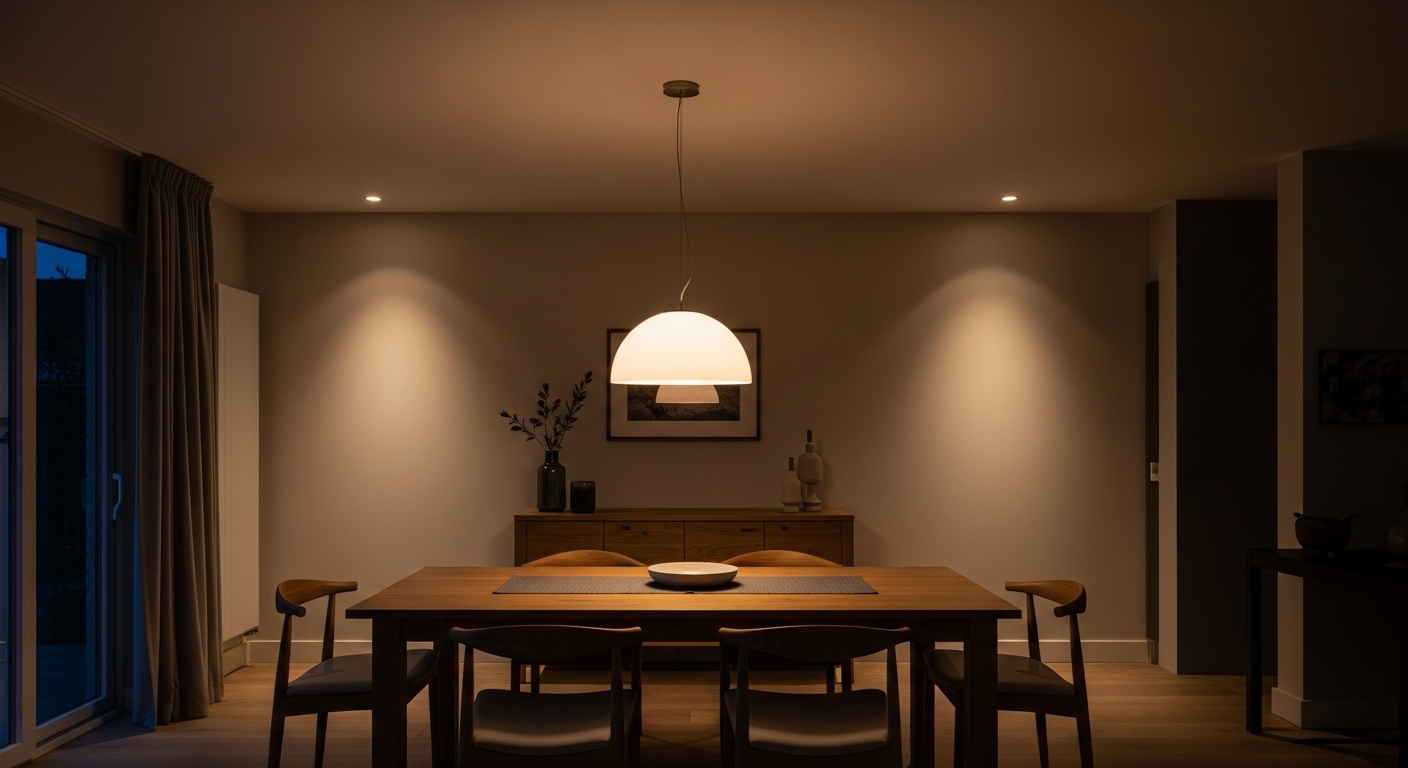
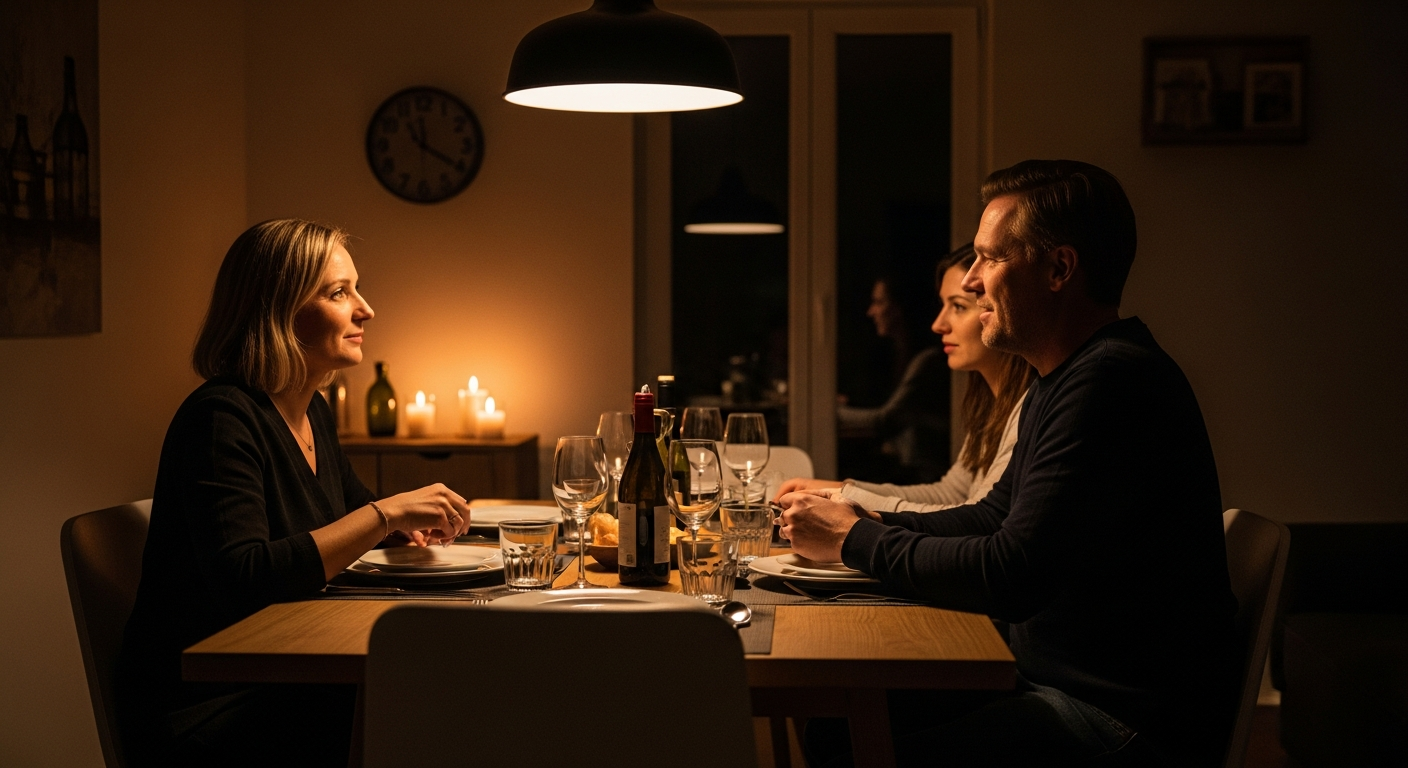
For example, a Dining scene may soften overhead lights while keeping the table well lit, creating a welcoming focus for meals. An Entertaining scene can add warmth by lowering brightness and highlighting walls or décor, making conversations feel relaxed and intimate. A Daytime scene, on the other hand, may use brighter, cleaner light for everyday activities.
What makes scene lighting powerful is consistency. Instead of adjusting multiple switches each time, one preset ensures the balance always feels right. This avoids common problems like glare, uneven shadows, or lighting that feels too harsh for the moment.
Professionally planned scene lighting also supports interior design. It brings out textures, colors, and finishes that often disappear under flat lighting, helping the dining room feel designed rather than accidental.
Key takeaway: Scene lighting brings structure and balance to dining room lighting by combining layers into purposeful, easy-to-use moods.
Scene lighting combines ambient, task, and accent layers
Preset scenes keep light balanced and comfortable
One-touch control replaces multiple manual adjustments
Proper scenes reduce glare and uneven shadows
Lighting supports interior design, not just visibility
Key takeaway: Well-planned lighting scenes create a dining room that feels intentional, comfortable, and easy to use every day.
How Scene Lighting Elevates Everyday Dining and Entertaining
In real homes, the dining room is rarely used in just one way. Scene lighting allows the space to shift naturally between everyday routines and special moments without effort. A bright, clean scene works well for breakfast, remote work at the table, or helping children with homework. As evening arrives, the same room can transition into a softer, warmer environment that encourages conversation and relaxation.
For hosting guests, scene lighting plays a quiet but powerful role. A gentle glow around the room reduces visual tension, while focused light on the table keeps meals comfortable and engaging. During holidays or celebrations, scenes can be adjusted to feel festive without becoming overwhelming. This flexibility helps guests feel at ease and makes the dining experience feel thoughtfully curated.
Scene lighting also supports longer meals. Harsh lighting can cause eye strain and discomfort over time, while balanced scenes maintain comfort throughout the evening. Families often notice that meals last longer and feel calmer when lighting is tuned to the moment rather than fixed at full brightness.
Over time, homeowners stop thinking about lighting adjustments altogether. The room simply feels right whenever it is used.
Key takeaway: Scene lighting adapts the dining room to real life, making everyday meals and special gatherings more comfortable and enjoyable.
Q/A
Q: Is scene lighting difficult to use on a daily basis?
No. Once scenes are set, using them is very simple. Most systems rely on a single wall keypad, dimmer, or smart control where each button activates a preset scene. This removes the need to adjust multiple switches every time the room is used.
Q: Can scene lighting work with existing fixtures?
In many cases, yes. Scene lighting often builds on existing lights by adding dimmers, grouping fixtures, or adjusting placement. A professional lighting plan can improve results without a full redesign.
Key takeaway: Scene lighting is designed for everyday ease, not complexity, and often works with what is already in place.
The Technology Behind Seamless Dining Room Scene Lighting
Behind every smooth lighting scene is smart planning and the right control setup. In dining rooms, scenes are usually created through dimmers, lighting zones, and simple control systems that manage how each fixture behaves. Instead of all lights turning on at full brightness, each source is set to a specific level that feels balanced and comfortable.
Color temperature also plays an important role. Warmer light is often preferred for evening dining because it feels calm and inviting, while slightly cooler tones work better during the day. Scene lighting allows these adjustments to happen automatically, so the room always feels natural for the time and activity.
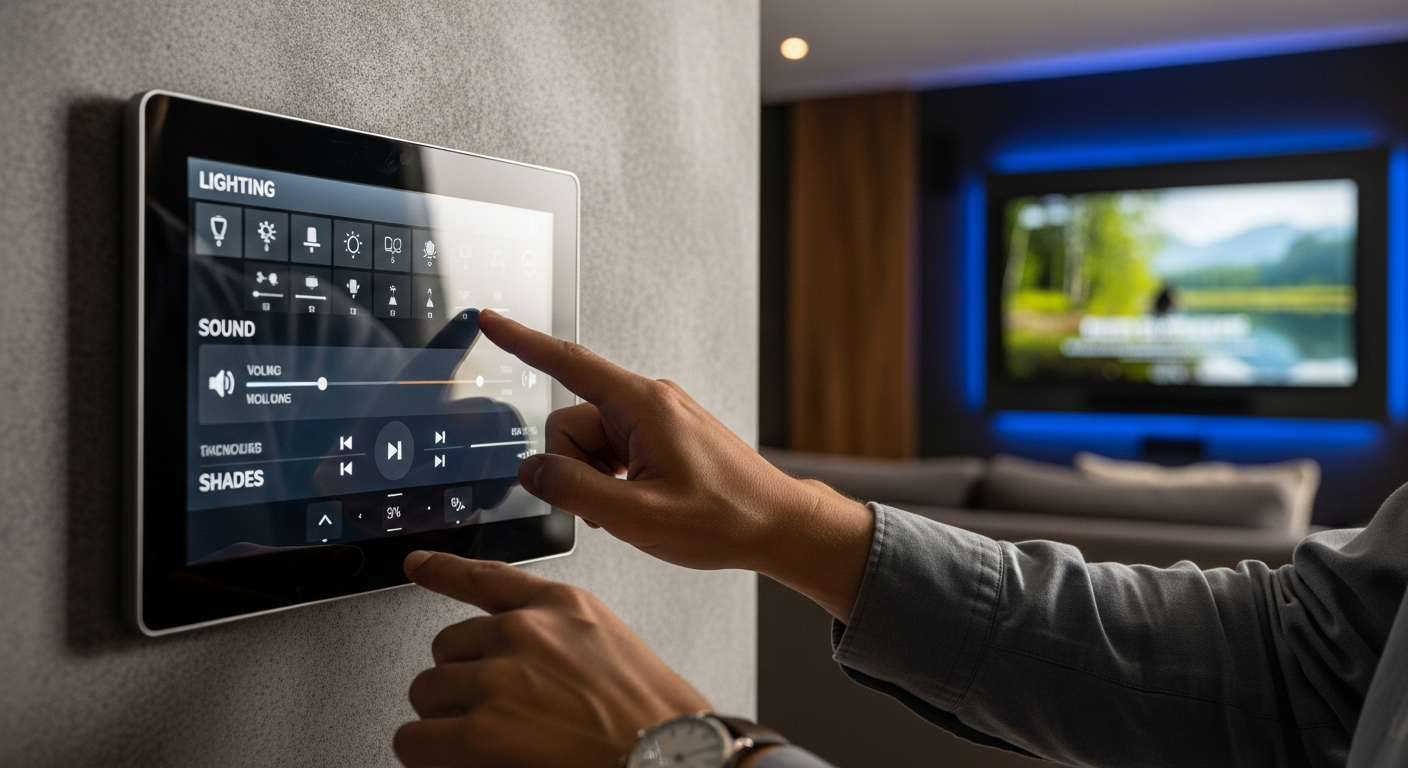
Modern scene lighting can be controlled through wall keypads, remotes, or smart apps. With smart integration, scenes can activate on schedules or pair with other home systems, such as shades or audio. This creates a dining experience that feels seamless rather than technical.
Professional setup matters here. Proper fixture selection, wiring, and scene programming ensure lights respond smoothly without flicker or imbalance. When done correctly, the technology stays invisible, and only the atmosphere is noticed.
Key takeaway: Thoughtful controls and smart integration turn dining room lighting into an effortless system that responds perfectly to each moment.
Lighting scenes rely on dimmers and zoning
Balanced brightness prevents harsh or flat lighting
Color temperature adapts to time and activity
Simple controls keep technology invisible
Professional setup ensures smooth, reliable operation
Key takeaway: The right technical setup makes scene lighting feel natural, reliable, and easy to live with.
Design-Focused Scene Lighting Ideas That Stand the Test of Time
When designing scene lighting for a dining room, placement matters as much as brightness. Fixtures should support the table without overpowering the space. Pendants or chandeliers work best when paired with softer surrounding light, preventing strong contrasts that can feel uncomfortable. Wall lighting or subtle accent fixtures add depth and keep the room from feeling flat.
Choosing flexible fixtures also helps future-proof the space. Dimmable lights, adjustable beam angles, and neutral color temperatures allow scenes to evolve as furniture or décor changes. This means the lighting design continues to feel relevant even after updates to the room.
Scene lighting also supports modern interior trends that favor calm, layered environments rather than harsh statement lighting. As smart home systems continue to improve, dining room scenes can easily expand to include voice control or automation without major changes.
A well-planned lighting design ages gracefully. Instead of following short-lived trends, it focuses on comfort, balance, and adaptability, ensuring the dining room remains inviting for years to come.
Key takeaway: Smart design choices and flexible fixtures keep dining room scene lighting stylish, comfortable, and ready for the future.
Q/A
Q: Does scene lighting increase energy use or costs?
In most cases, no. Scene lighting often reduces energy use because lights are dimmed and only the necessary fixtures are active. Lower brightness levels consume less power, especially with modern LED lighting.
Q: Is scene lighting a long-term investment?
Yes. Beyond comfort and style, scene lighting improves usability and adds design value to the home. It can also reduce the need for frequent lighting changes or upgrades in the future.
Key takeaway: Scene lighting balances comfort, efficiency, and long-term value in the dining room.
Scene lighting transforms the dining room by adapting light to each moment
Preset scenes replace harsh, single-source lighting
Layered lighting improves comfort, mood, and visual balance
Simple controls make everyday use effortless
Warm, balanced light supports longer, more enjoyable meals
Scene lighting works for daily routines and special occasions
Smart integration keeps the system flexible and future-ready
Thoughtful lighting enhances interior design without changing the room
Energy efficiency improves through dimming and zoning
Professional planning ensures consistent, reliable results
Key takeaway: Scene lighting is a practical, design-focused upgrade that makes the dining room more comfortable, flexible, and inviting every day.
If your dining room feels flat, harsh, or limited to a single mood, scene lighting can change the experience without changing the space. With the right design, lighting becomes a quiet feature that supports every meal, conversation, and gathering.
A professionally planned scene lighting setup ensures balanced brightness, easy control, and a look that complements your interior style. From simple dimming solutions to fully integrated smart scenes, the right approach makes daily living more comfortable and entertaining more memorable.
Contact us today to explore a custom dining room lighting plan designed around your lifestyle, your space, and how you love to gather.